Monsoon Appliance Care: How to Protect Your Refrigerator and Washing Machine Across Major Cities of India
The monsoon brings relief from the summer heat, but it can also create a few unexpected problems at home. Clothes take longer to dry, laundry may develop a musty smell, and moisture can collect around appliances in poorly ventilated areas.
Across Indian cities, rainy-season conditions vary. Mumbai and Thane often experience prolonged humid weather, while Varanasi and Lucknow may experience heavy rainfall and damp spells. Whatever your location, a few simple maintenance habits can help keep your refrigerator and washing machine in better condition.
In this guide, we cover practical monsoon appliance care tips, common warning signs and situations where professional appliance repair may be needed.
Why Does Monsoon Weather Affect Home Appliances?
High humidity, poor ventilation, wet floors and frequent appliance use can create maintenance challenges during the rainy season.
Common concerns include:
- Moisture collecting around appliances and electrical connections.
- Unpleasant smells caused by dampness and detergent residue.
- Water collecting inside a refrigerator.
- Washing machine drainage problems caused by obstructions.
- Electrical risks when water reaches plugs, sockets or appliance components.
Regular cleaning and safe appliance placement can help reduce some of these problems.
1. Refrigerator Care During the Monsoon
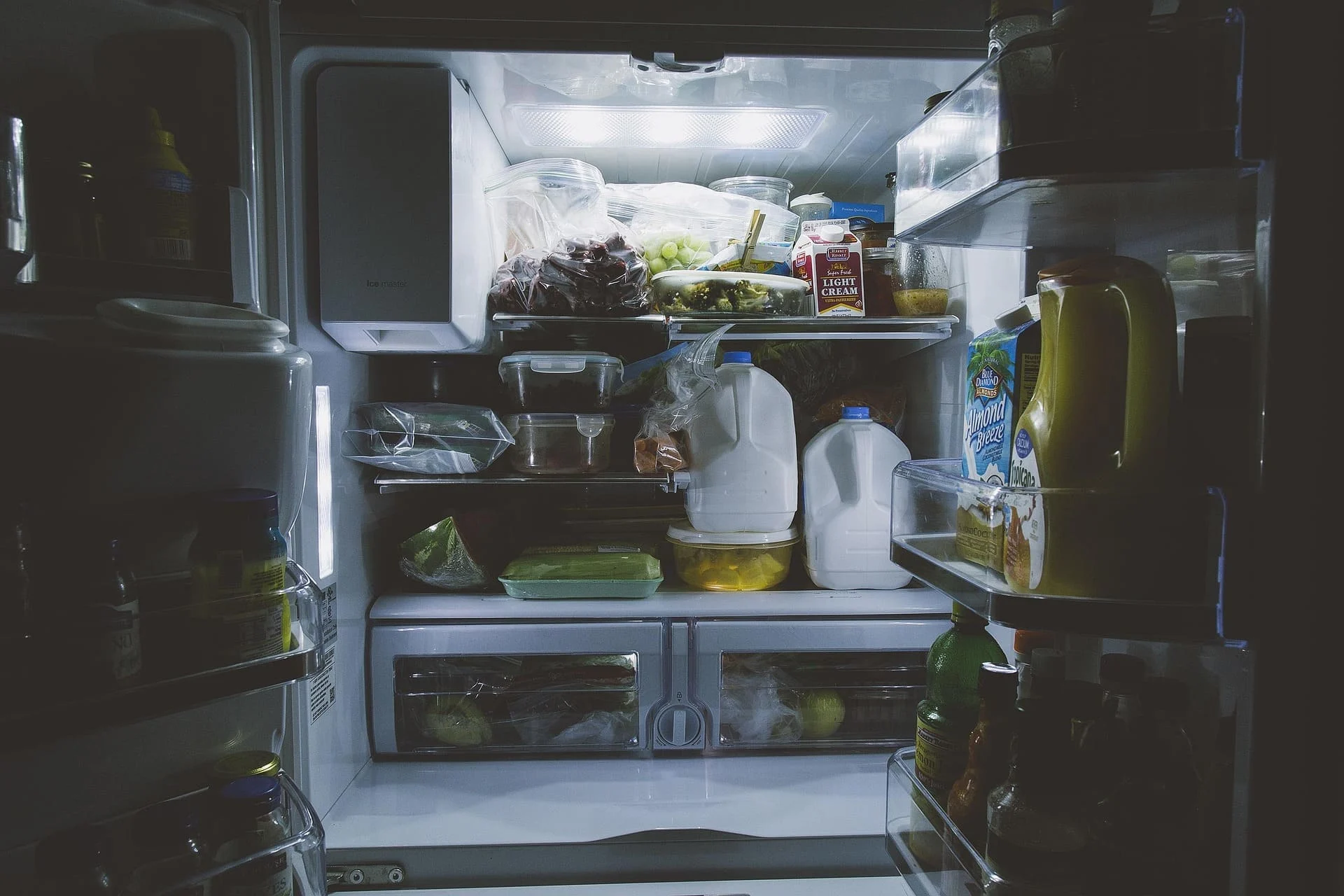
Your refrigerator runs throughout the year, so keeping it clean and properly ventilated is important even when the weather is humid.
Keep the Refrigerator Away from Damp Walls
Check the area behind and beside your refrigerator. If the wall becomes damp during heavy rainfall, make sure water is not collecting near the appliance or its electrical socket.
Maintain the clearance recommended by the manufacturer so the refrigerator can release heat properly. Avoid placing it where rainwater or flooding could reach its electrical connections.
Check the Refrigerator Door Seal
The rubber gasket around the refrigerator door helps prevent cold air from escaping. If the seal becomes dirty, loose or damaged, warm air may enter and affect cooling performance.
Clean the gasket gently with a soft cloth and mild soapy water, then dry it. If the door does not close properly or condensation repeatedly forms around the seal, arrange a professional inspection.
Prevent Excess Moisture Inside the Fridge
Some condensation can be normal, especially when the door is opened frequently. However, repeated puddles or water collecting beneath vegetable drawers should not be ignored.
Try these simple habits:
- Cover food and liquids before storing them.
- Avoid leaving the refrigerator door open for long periods.
- Allow hot food to cool appropriately before storing it.
- Keep internal air vents clear of containers.
- Check that the door closes completely.
If water continues to accumulate, the defrost drainage system or door seal may need attention.
Maintain the Recommended Temperature
Follow the manufacturer's recommended temperature settings. For food safety, keep your refrigerator at or below 4°C and your freezer around -18°C.
If the refrigerator stops cooling properly, do not assume humidity is the only cause. Blocked airflow, a damaged seal, a fan problem or another component fault may be responsible.
Clean the Refrigerator Safely
Remove expired food, wipe spills promptly and clean removable shelves according to the user manual. Never use sharp tools to remove ice because they can damage internal components.
If you notice a burning smell, sparks, electric shock or water near electrical connections, stay away from the appliance and arrange qualified help.
2. Washing Machine Maintenance During the Rainy Season
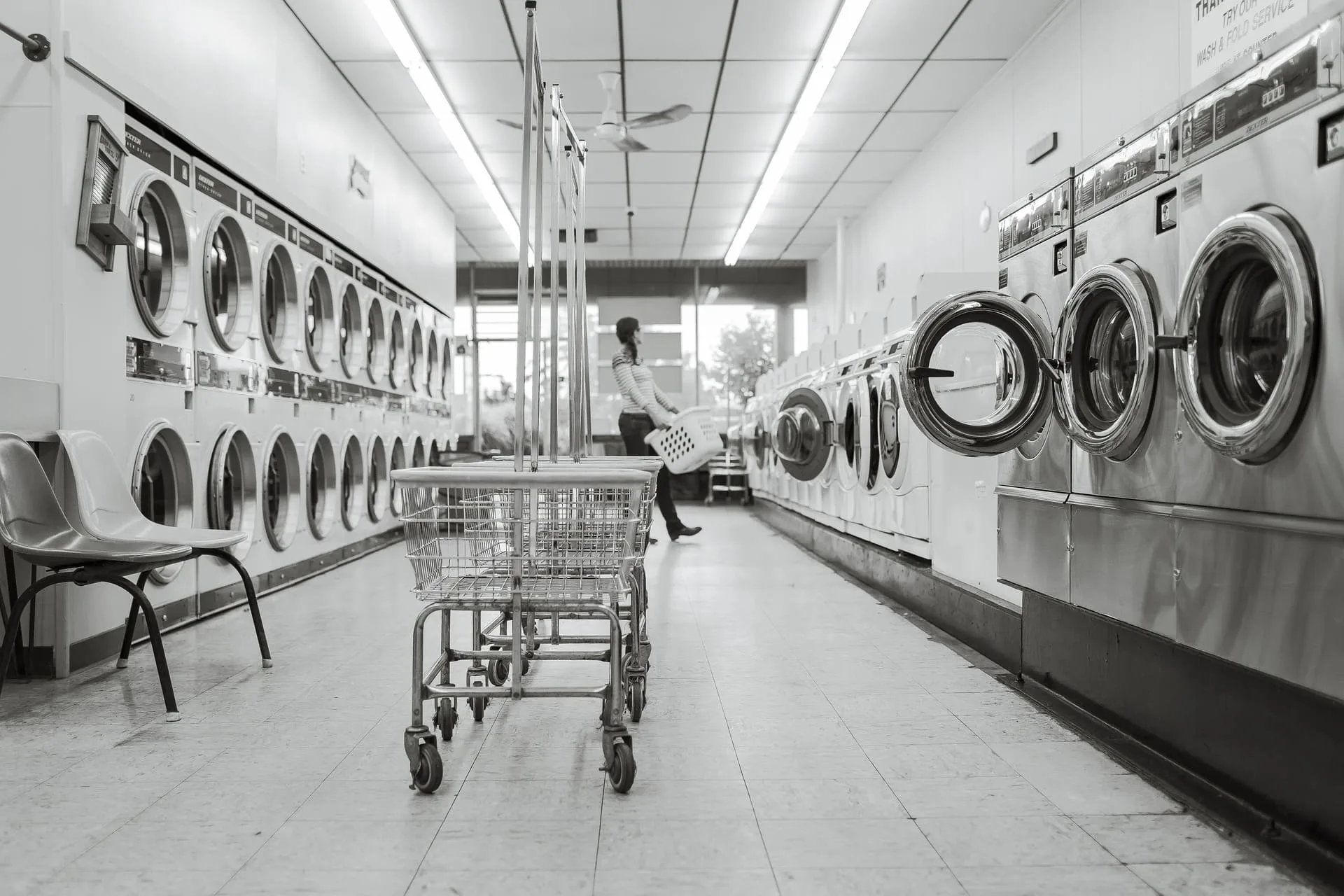
Washing machines may be used more frequently during the monsoon because clothes become muddy or damp. Moisture trapped inside the drum and detergent residue can also contribute to unpleasant smells.
Let the Drum Dry Between Washes
After removing your laundry, wipe visible moisture around the drum opening and rubber gasket. Leave the door or lid open when safe so the interior can dry naturally.
For front-load washing machines, pay particular attention to folds in the rubber door seal, where moisture and lint may collect.
Clean the Detergent Drawer and Gasket
Excess detergent can leave residue inside the drawer, drum and seals. Combined with trapped moisture, this residue may contribute to a musty smell.
Clean the detergent drawer according to the manufacturer's instructions. If your machine has a Tub Clean or Drum Clean programme, use it as recommended in the manual.
Avoid using harsh chemicals that could damage the machine.
Check the Drain Filter and Outlet Hose
If the machine drains slowly, leaves water in the drum or displays a drainage error, the drain filter or outlet hose may be obstructed.
Follow the user manual before opening the filter because water may escape during cleaning. Never open a filter while the machine is running, and disconnect the power before carrying out permitted user maintenance.
If the machine continues to retain water, arrange a professional inspection.
Remove Mud and Debris from Clothes
Rain-soaked clothes can carry mud, grit and small objects into the washing machine.
Before loading heavily soiled garments:
- Remove loose mud where practical.
- Check pockets for coins, keys and other objects.
- Use the correct detergent and recommended quantity.
- Avoid overloading the drum.
These habits can help reduce residue and unnecessary strain on the machine.
Inspect the Water Hoses
Look for visible cracks, bulges, loose connections or water around the inlet and outlet hoses.
If a hose is damaged or leaking, stop using the machine until it has been repaired. If water is near electrical components, do not touch the appliance or its plug.
3. Monsoon Appliance Care in Major Indian Cities
Local weather conditions can influence which maintenance precautions matter most.
Mumbai and Thane: Pay Attention to Humidity
Coastal humidity can make laundry areas feel damp for extended periods.
For homes in Mumbai and Thane:
- Wipe the washing machine's rubber seal after use.
- Allow the drum to air-dry between cycles.
- Check refrigerator sockets and nearby walls for moisture.
- Inspect visible hoses and water connections for leaks.
- Keep appliances away from areas exposed to rainwater.
If a washing machine develops a persistent musty smell despite cleaning, have its seals and drainage system inspected.
Varanasi: Check Drainage and Electrical Safety
During heavy rainfall, pay attention to water entering utility areas, damp floors and leaks near appliance connections.
Keep appliances on stable surfaces in dry locations. Never operate a machine in standing water or touch wet electrical connections.
If an appliance repeatedly trips the circuit breaker or behaves unusually after a power interruption, seek qualified electrical or appliance service.
Lucknow: Keep Utility Areas Ventilated
Extended rainy spells can make it harder to dry clothes and keep laundry areas free from moisture.
For homes in Lucknow:
- Keep the washing machine drum dry between cycles.
- Clean detergent residue before it builds up.
- Check refrigerator seals and look for recurring water accumulation.
- Maintain adequate ventilation around appliances.
- Check for leaks beneath and behind appliances.
A clean and dry utility area can make everyday appliance maintenance easier.
Other Indian Cities: Follow the Same Basic Precautions
Whether you live in Delhi, Jaipur, Pune or another Indian city, the main priorities remain the same: keep appliances away from water, maintain ventilation, clean accessible filters and seals, and take electrical warning signs seriously.
Adapt your maintenance routine to the conditions around your home and the instructions provided by the appliance manufacturer.
4. Warning Signs You Should Not Ignore
Routine cleaning can help prevent some problems, but it cannot resolve every mechanical or electrical fault.
Refrigerator Warning Signs
- Food is not staying sufficiently cold.
- Water repeatedly collects inside the refrigerator.
- The door does not seal properly.
- Persistent unusual noises develop.
- The appliance repeatedly trips the circuit breaker.
Washing Machine Warning Signs
- Water remains in the drum after a cycle.
- Clothes remain unusually wet because spinning is incomplete.
- Water leaks from the machine or its connections.
- The drum makes unusual banging or grinding sounds.
- An electrical fault or burning smell occurs.
Stop using an appliance if you suspect an electrical fault, burning smell, flooding or water intrusion. Do not dismantle internal components yourself.
5. A Simple Monsoon Maintenance Checklist
You do not need to spend hours maintaining your appliances. A short routine can help you spot problems early.
After Every Washing Cycle
- Remove clothes promptly.
- Wipe visible moisture from the door seal.
- Leave the door or lid open when safe.
- Check for water around the machine.
Once a Week
- Check the refrigerator for spills and unusual moisture.
- Make sure internal air vents are not blocked.
- Inspect visible hoses and nearby floors for leaks.
- Wipe damp surfaces around appliances.
Monthly or as Recommended by the Manufacturer
- Clean the detergent drawer and accessible filters.
- Run the recommended drum-cleaning programme if available.
- Inspect the refrigerator door seal.
- Check appliance placement and ventilation.
This schedule is a practical starting point. Always follow your appliance's user manual for specific maintenance intervals.
6. When Should You Call an Appliance Repair Technician?
Cleaning and routine checks are useful, but persistent faults should not be ignored.
Consider arranging professional service if:
- Your refrigerator is not cooling despite a safe and stable power supply.
- Water continues collecting inside the refrigerator.
- Your washing machine repeatedly fails to drain or spin.
- A leak returns after checking accessible connections.
- The appliance makes unusual mechanical noises.
- You notice electrical tripping, burning smells or water near electrical components.
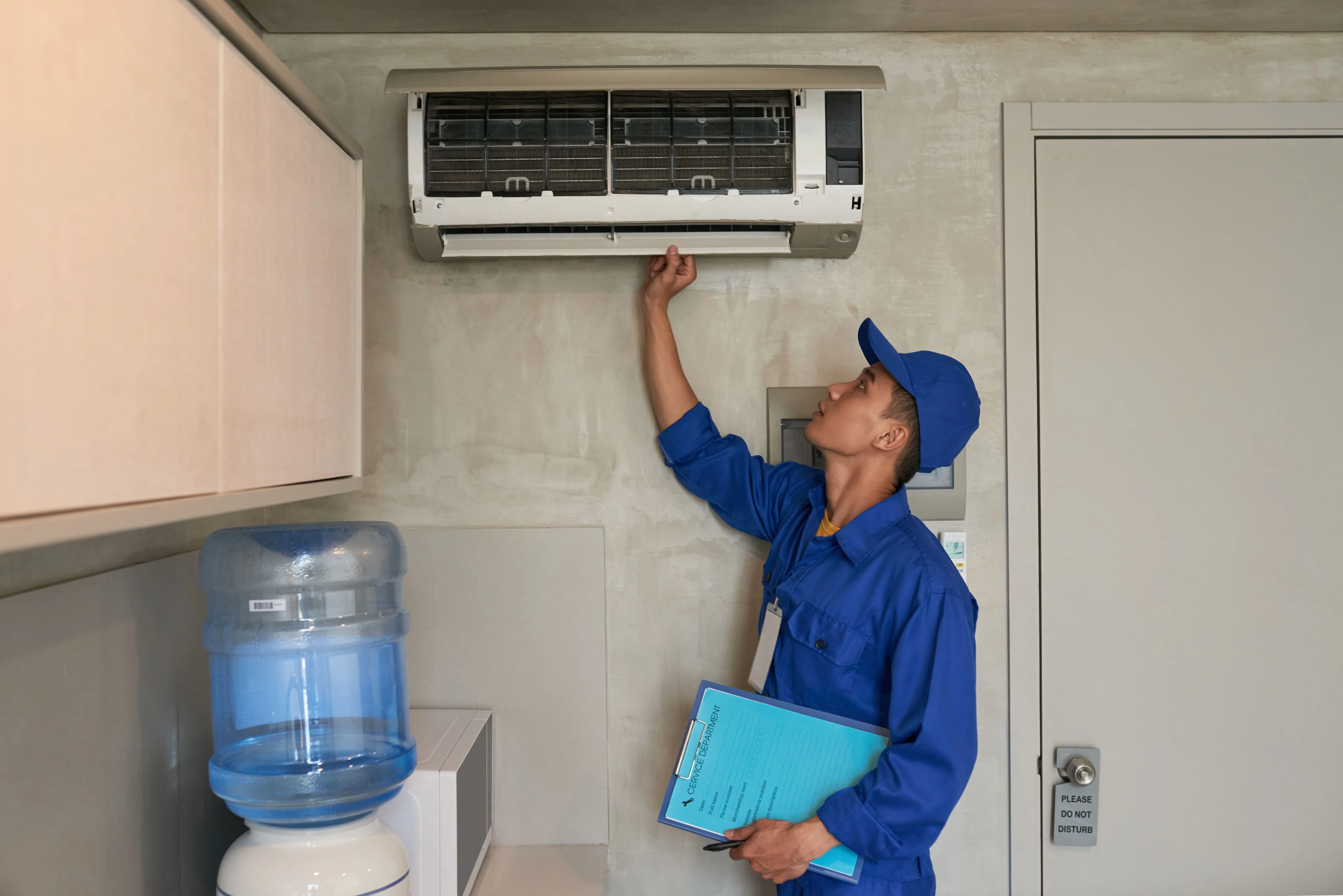
A qualified technician can inspect the appliance, identify the likely cause and explain the available repair options.
Avoid replacing expensive components based only on a symptom. For example, a refrigerator that is not cooling may have several possible causes, while a washing machine that will not drain may need a filter check rather than a major repair.
Need Refrigerator or Washing Machine Repair?
Sometimes routine maintenance is not enough, particularly when an appliance develops a persistent fault during the rainy season.
Yaman Appliances accepts enquiries for home appliance repair services in its service areas, including Thane, Varanasi and Lucknow. Depending on technician availability and the problem, customers can enquire about refrigerator repair, washing machine repair and other supported appliance services.
If your refrigerator is not cooling, your washing machine is leaking or the machine is showing a recurring error, contact Yaman Appliances to discuss the issue and confirm service availability.
Visit https://yamanappliances.com/ to explore available services and request assistance.
Frequently Asked Questions
Why does my refrigerator collect water during the monsoon?
High humidity, frequent door opening, a damaged door seal or a blocked defrost drain can contribute to excess moisture. Persistent water accumulation should be inspected.
How can I prevent a bad smell in my washing machine during the rainy season?
Remove laundry promptly, wipe the door gasket, leave the door or lid open when safe, clean the detergent drawer and follow the recommended drum-cleaning instructions.
Is it safe to use a washing machine when the floor is wet?
Do not operate the machine if there is standing water or moisture near electrical connections. Keep away from wet electrical equipment until the area has been made safe.
Should I switch off my refrigerator during heavy rain?
Not automatically. A refrigerator can generally continue operating when the electrical supply and installation are safe. If flooding or water intrusion threatens the appliance, stay away from wet electrical connections and seek qualified help.
How often should I clean my washing machine during the monsoon?
Wipe visible moisture from the door seal after use. Clean the detergent drawer, accessible filters and drum according to the manufacturer's instructions and your machine's usage.
Does Yaman Appliances offer refrigerator and washing machine repair?
Yaman Appliances accepts enquiries for supported home appliance repair services in its service areas, including Thane, Varanasi and Lucknow. Contact the team to confirm local technician availability.
Final Thoughts
Monsoon appliance care is mostly about noticing small changes before they become bigger problems. A damp washing machine seal, a slow-draining drum or water collecting inside a refrigerator may seem minor, but persistent symptoms deserve attention.
Keep your appliances clean, maintain ventilation, protect electrical connections from moisture and follow the manufacturer's maintenance instructions.
With a few sensible habits, you can make everyday laundry and food storage easier throughout India's rainy season.